Can a 401k loan be used to pay off a credit card?

Isabella Harris
Published Jan 10, 2026
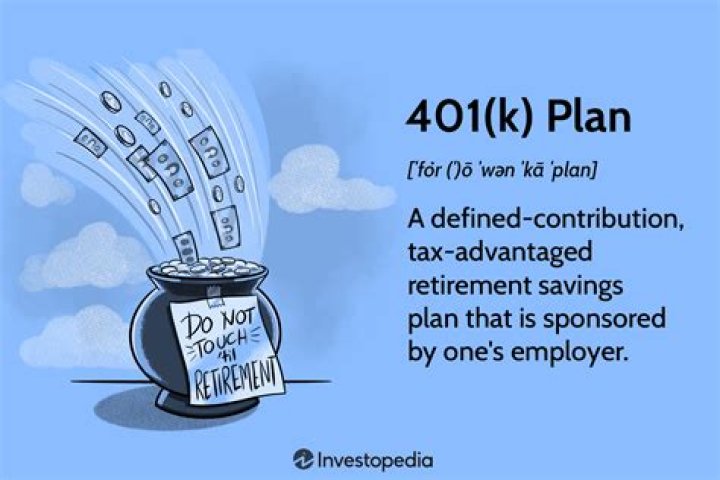
Many 401 (k) plans allow users to borrow against their retirement savings. It’s a relatively low-interest loan option that some people use to consolidate credit card debt — meaning, taking a more favorable loan to pay off several high-interest credit card balances. But NerdWallet cautions against taking a 401 (k) loan except as a last resort.
When does paying off debt with your 401k makes sense?
With numbers that high, it’s tempting to withdraw 401 (k) plan funds that seem to be sitting around collecting dust until retirement. Then there are other reasons that make retirement savings seem the solution, such as finding yourself deep in debt from credit cards or an emergency, such as a sudden illness.
How long does it take to pay off a 401k loan?
About 86% of people who leave their job with an outstanding 401 (k) loan default on it, according to the National Bureau of Economic Research, compared with 10% of all 401 (k) loan borrowers. An effective debt consolidation plan should allow you to pay off your credit cards within five years.
What happens if I borrow money from my 401k?
According to Vanguard’s 401 (k) loan calculator, borrowing $10,000 from a 401 (k) plan over five years means forgoing a $1,989 investment return and ending the five years with a balance that’s $666 lower. (This assumes that you pay 5% interest for the loan and the investments in the plan would have earned 7%.)
What happens if I take money out of my 401k?
If you decide to take money out of your 401k plan before you are 59 1/2 years old, you will pay a 10% early withdrawal penalty regardless of your contributions or the total amount withdrawn. So if you pull $40,000 out to pay a credit card bill, $4,000 of that will be going directly to Uncle Sam as a penalty.
Can a 401k loan be paid off after bankruptcy?
— You could be stuck with the 401 (k) loan even after bankruptcy. If you aren’t able to pay off all your debt with the loan and end up having to file for bankruptcy protection, you’ll still have to pay off your 401 (k) loan.