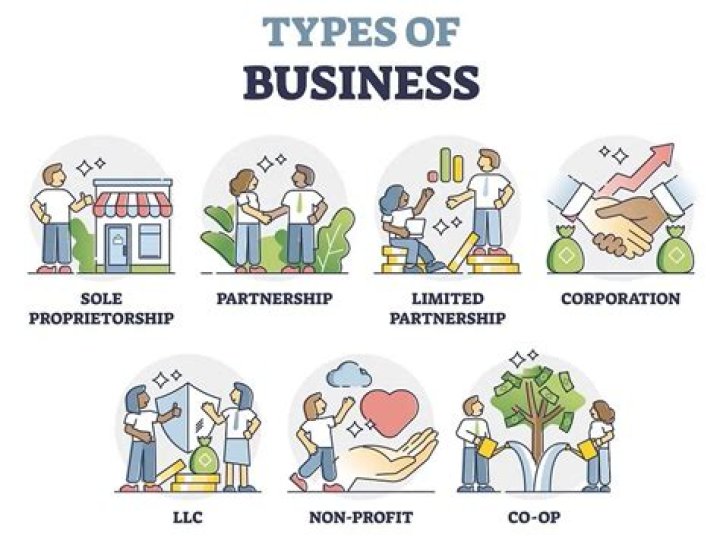
What type of business has the best tax advantages?

Mia Cox
Published Jan 20, 2026
Limited Liability Company (LLCs) LLCs benefit from the 20 percent pass-through deduction if the owner elects to be taxed as a pass-through, depending on the income level and nature of the business.
Do partnerships have tax advantages?
Advantages of a General Partnership: Businesses as partnerships do not have to pay income tax; each partner files the profits or losses of the business on his or her own personal income tax return. This way the business does not get taxed separately.
What are the advantages of a partnership compared to a corporation?
A partnership is set up easier and has less paperwork, legal requirements, and tax obligations than a corporation. Plus, you should choose partnership if you want to avail the following benefits from your business: The more partners you have, the increased amount of capital you can expect to add into your business.
What are the tax advantages of a partnership?
The tax advantages of a partnership are the reason many entities opt to be classified as such. A partnership is one of four main business structures that you can choose from when starting a business. When choosing the best business structure for your company, the tax liability is an important consideration.
Which is better a corporation or a partnership?
Although favorable tax treatment is not the only concern when starting a business, it is a primary concern with long-term consequences for profitability. A corporation is an independent legal entity that exists separately from its shareholders.
Do you have to pay taxes on a limited partnership?
Partners have limited liability which means there may be differences in each partner’s tax and legal obligations. One of the downfalls of a limited partnership is the fact that they can be required to pay an annual tax of up to $800 in some states. A partnership is considered a pass-through tax entity.
How does a partnership work as a business?
Partnerships are business endeavors that operate under the legal names and personal responsibility of the partners. A partnership reports its revenue and expenses to the IRS annually on an informational tax return but does not pay taxes as a business entity.