What tax category is business insurance?

Matthew Underwood
Published Jan 19, 2026
ordinary and necessary
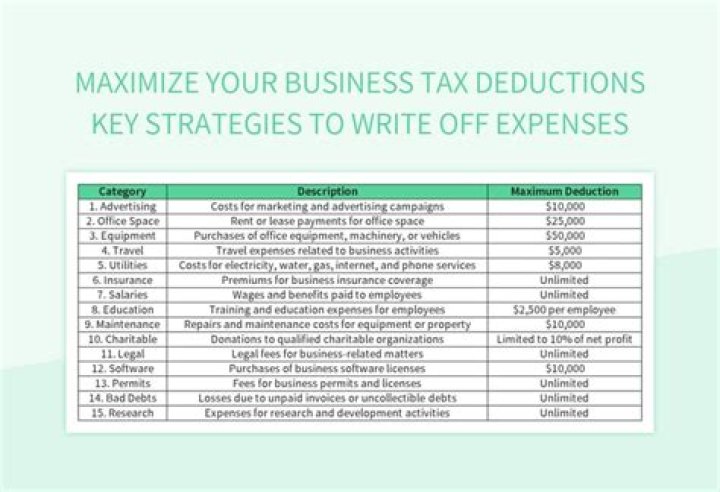
Since most businesses are required to carry insurance, it falls under the category of “ordinary and necessary” and is a tax-deductible business expense.
Are employer health insurance premiums tax deductible?
Generally speaking, any expenses an employer incurs related to health insurance (for employees or for dependents) are 100% tax-deductible as ordinary business expenses, on both state and federal income taxes. This increases the employee’s take-home pay and lowers the amount of the employee’s taxable income.
What types of insurance are tax deductible?
Several types of business insurance are tax deductible, including:
- Data Breach Insurance.
- Commercial Property Insurance.
- Professional Liability Insurance.
- General Liability Insurance.
- Workers’ Compensation Insurance.
What are the conditions for term insurance tax benefit?
The conditions to avail term insurance tax benefit under Section 80C include: The yearly premiums paid should not exceed 10% of the sum assured. If the premiums do exceed 10%, deductions will be applied proportionately.
Do you pay tax on group health insurance?
An employee is only entitled to medical facilities and benefits, But he cannot claim tax exemption under IT Act for the premium amount paid by the employer. However, it is also not added to the employee’s taxable salary for tax calculation. As is the case, to be eligible for group health policy benefits, the employee should be in active employment.
Are there any tax deductions for term insurance?
Policyholders who have opted for a health-related rider (such as Critical Illness, Surgical Care, Hospital Care Rider) with their term insurance policy, can also avail deductions. Conditions for term insurance benefit 80D include:
Are there any tax benefits for health insurance?
Payment of premium on life insurance policy and health insurance policy not only gives insurance cover to a taxpayer but also offers certain tax benefits.