What is the negative impact of the stock market?

Isabella Harris
Published Jan 20, 2026
2 Since the stock market is a vote of confidence, a crash can devastate economic growth. Lower stock prices mean less wealth for businesses, pension funds, and individual investors. Companies can’t get as much funding for operations and expansion. When retirement fund values fall, it reduces consumer spending.
What happened in 2015 to the stock market?
The DJIA closed at a record 18,312 on May 19, 2015 before slowly falling to a low of 17,504 and then partially recovering to its secondary closing peak of 18,102 on July 16. The stock market slowly slid thereafter, reaching a low of 17,403. The NASDAQ Composite peaked on July 17, 2015 at 5,219.
What events cause stock prices to go down?
Widely Accepted Market Indicators
- Wars or other conflicts.
- Concerns over inflation or deflation.
- Government fiscal and monetary policy.
- Technological changes.
- Natural disasters/extreme weather fluctuations.
- Corporate or government performance data.
What was the worst crash in stock market history?
The stock market crash of 1929 was not the sole cause of the Great Depression, but it did act to accelerate the global economic collapse of which it was also a symptom. By 1933, nearly half of America’s banks had failed, and unemployment was approaching 15 million people, or 30 percent of the workforce.
How does a negative interest rate affect the stock market?
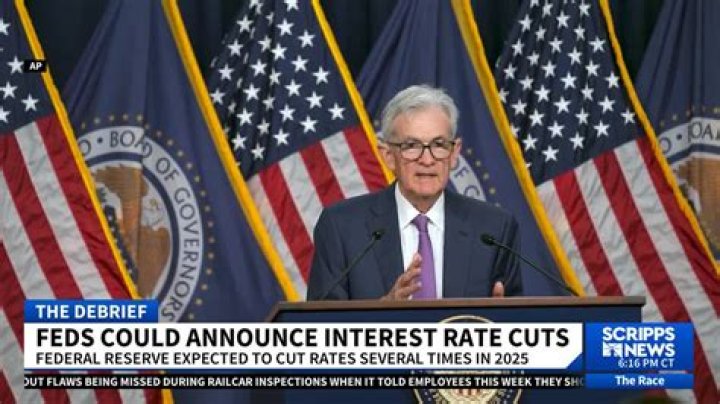
In reality, even if nothing happens to consumers or companies, the stock market will still react to interest rate changes. The Fed announcing negative interest rates will undoubtedly have a psychological impact on investors.
What was the worst stock market crash in history?
The Worst Crash in U.S. History. The stock market crash of 1929 was a four-day collapse of stock prices that began on October 24, 1929. It was the worst decline in U.S. history.
How are stock prices affected by world events?
Stock market prices are affected by business fundamentals, company and world events, human psychology, and much more. Stock trading is driven by psychology just as much as it is by business fundamentals, believe it or not.
What was the effect of the stock market crash of 1929?
The Depression devastated the U.S. economy. Wages fell 42 percent as unemployment rose to 25 percent. U.S. economic growth decreased 50 percent and world trade plummeted 65 percent. As a result of deflation, prices fell 10 percent a year between 1929 and 1933.