What is meant by anti selection in insurance?

Matthew Underwood
Published Jan 19, 2026
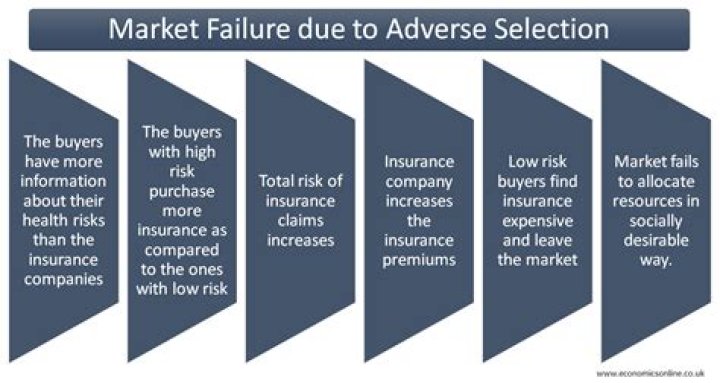
Anti-selection is a term that is often used in conjunction with adverse selection. It is defined as an increase in the chance for a person to take out an insurance contract because they believe their health risk is higher than what the insurance company has allowed for in the premium amount.
How do insurance companies fight adverse selection?
In the case of insurance, adverse selection is the tendency of those in dangerous jobs or high-risk lifestyles to purchase products like life insurance. To fight adverse selection, insurance companies reduce exposure to large claims by limiting coverage or raising premiums.
What is risk selection insurance?
Risk selection is a related concern, which occurs when insurers have an incentive to avoid enrolling people who are in worse health and likely to require costly medical care. Under the ACA, insurers are no longer permitted to deny coverage or charge higher premiums on the basis of health status.
Why does an underwriter guard against adverse selection?
Adverse selection puts the insurer at a higher risk of losing money through claims than it had predicted. That would result in higher premiums, which would, in turn, result in more adverse selection, as healthier people opt not to buy increasingly expensive coverage.
Which of the following is the best example of adverse selection?
An example of adverse selection is: an unhealthy person buying health insurance. A used car will sell for the price of a poor-quality used car even if it is high quality because: there is no reason to believe that good-quality used cars will be for sale.
What is a risk selection?
Risk selection is one of the ways insurance companies screen insurance applicants. It involves classifying applicants using underwriting principles and determining the amount of premium they should offer to a given applicant.
What are the basic characteristics of insurance?
Basic Characteristics of Insurance
- Pooling of losses.
- Payment of fortuitous losses.
- Risk transfer.
- Indemnification.
What does anti selection mean in the insurance industry?
Also known as adverse selection, when it comes to the insurance industry anti-selection basically means acting on known information to gain an advantage on either securing or denying an insurance policy.
What is adverse selection in the principle of insurance?
The adverse impact on an insurer when risks selected have a higher chance of loss than that contemplated by the applicable insurance rate. Also known as adverse selection.
Is the practice of anti selection a good thing?
While people knowing more about their own health and taking steps to protect themselves is certainly a good idea, the practice of anti-selection could still be incredibly damaging to the world of private health insurance as we know it.
How does informational advantage lead to anti selection?
Here, Pacific Prime China discusses how having an informational advantage can lead to anti-selection on the part of both insurance providers and policyholders, as well as how it could have a detrimental impact on the entire life and health insurance industries.