What is a passive PPO dental plan?

Mia Cox
Published Jan 19, 2026
The term “passive PPO” means that in-network benefits are paid at the same percentages as benefits paid for out-of-network care. For example, if a member enrolls in the voluntary Passive PPO 100%/50%/50%-$750 plan, Basic Services would be paid at 50% of the negotiated rate for in-network care.
What is the difference between Delta Dental PPO and EPO?
EPO stands for exclusive provider organization, and doesn’t cover any out-of-network care. A Blue Dental EPO plan only covers services from in-network PPO dentists. If you want the freedom to see dentists outside our preferred network, a PPO plan could be best for you.
How does dental PPO insurance work?
Dental insurance from a PPO means that you can choose any dentist, in or out of network, and you don’t need a referral. You also have the flexibility to visit dentists and specialists outside of your network, but at a higher cost.
Should I choose an EPO or PPO?
A PPO plan gives you more flexibility than an EPO by allowing you to attend out-of-network providers. On the other hand, an EPO will typically have lower monthly premiums than a PPO. But, if you’re considering an EPO, you should check approved in-network providers in your area before you decide.
What does a PPO cover?
Unlike an HMO, a PPO offers you the freedom to receive care from any provider—in or out of your network. This means you can see any doctor or specialist, or use any hospital. In addition, PPO plans do not require you to choose a primary care physician (PCP) and do not require referrals.
Whats better PPO or HMO?
The biggest advantage that PPO plans offer over HMO plans is flexibility. PPOs offer participants much more choice for choosing when and where they seek health care. The most significant disadvantage for a PPO plan, compared to an HMO, is the price. PPO plans generally come with a higher monthly premium than HMOs.
What is Delta Dental PPO Premier?
Delta Dental PPO Plus Premier combines the Delta Dental PPO and Delta Dental Premier networks, which gives you the benefits of Delta Dental PPO and more. With this plan, even if your Delta Dental Premier dentist is not in the PPO network, you still receive the benefit of that dentist’s contracted fee.
How does a PPO dental insurance plan work?
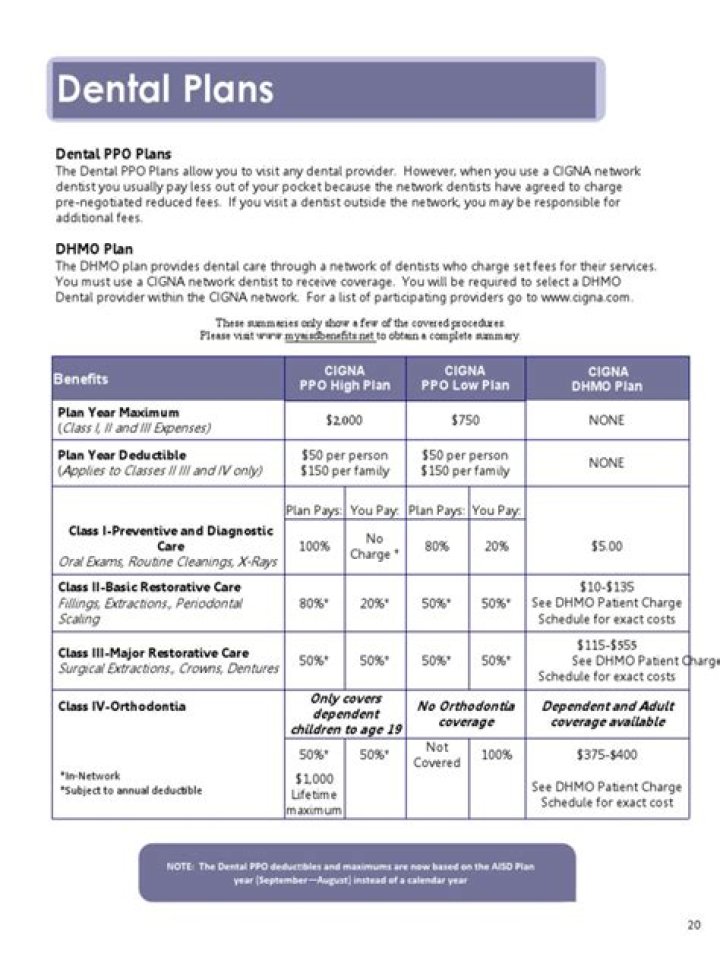
Insurance companies develop a network of dentists who agree to charge you fees that are lower than their usual rates. Those discounts are the deepest when you visit a PPO network dentist. You have options and flexibility. A PPO plan will offer you a variety of choices from a network of dentists.
What are the pros and cons of dental PPO?
Like any other plan, there are cons of choosing to enroll in a dental PPO insurance plan. These plans usually require you to meet a deductible before getting coverage, which can be costly and a pain. The maximum amount of coverage you have per year can be around $1,000, which is not very much if you need extensive procedures.
How does dental insurance work for people without benefits?
Some dentists offer in-office dental plans for people without benefits. Patients pay a small monthly fee and get basic care for free and discounts on other services. Spread out services. Many employer plans provide 100 percent coverage for getting a checkup twice a year.
Which is better PPO or out of network dentists?
If you see a PPO dentist instead of someone out-of-network, you will pay lower fees out-of-pocket. While you have the freedom of doing both, you can still benefit financially from seeing a network provider. You pay your portion of the services and you don’t worry about being billed later.