What happens when your car is repossessed in Mississippi?

Christopher Martinez
Published Jan 19, 2026
What happens after my property is repossessed? Under Mississippi law, the creditor must notify you in writing that the property will be sold to pay off the indebtedness. This notice also gives you the opportunity to “redeem” the property. This means that you have the chance to get the property back.
Is Mississippi a right to cure state?
After an automobile is repossessed, the lender is required to notify the borrower and any third parties who may be obligated on the loan. Under Mississippi law, you have the right to redeem the vehicle at any time before sale by paying any past-due amounts plus expenses incurred in the repossession process.
Can You repo a car if you don’t have insurance?
It’s up to the lender to decide if they want to seize your car or take other actions to collect the debt that you owe. Lenders are allowed to repo a car for not having insurance, but that’s not always what the company does. If you are officially in default on your loan, the lender will send you a letter.
How to get auto insurance in the state of Mississippi?
Technically, you, as a Mississippi driver, can legally satisfy these requirements by: Showing proof of liability insurance with bodily injury and property damage limits at least equal to the minimum requirement. Posting a bond for these same amounts. Making a cash or security deposit equal to the minimum requirements.
Can a lender repo a car if it is in default?
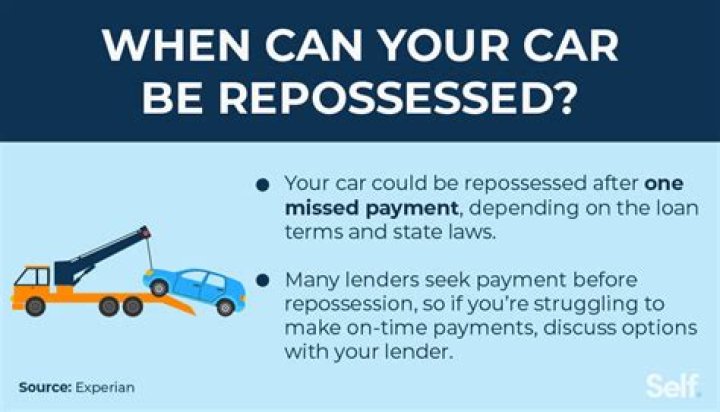
In most states, once a car loan is in default, a lender is free to repossess the car at any time. There are obvious tactics that are considered illegal, but as long as the agent who repossesses the car is in compliance with the law, the borrower doesn’t have to be given advanced notice.
Why is it a last resort to Repo a car?
The main reason why repossessing the car is the last resort is because the lender loses out on a lot of profits. Surveys show that lenders only recoup about 63 percent of the outstanding balance of the loan when they re-sell a seized car. Instead of losing out on a huge portion of the profits, the lender will force-place insurance on the loan.